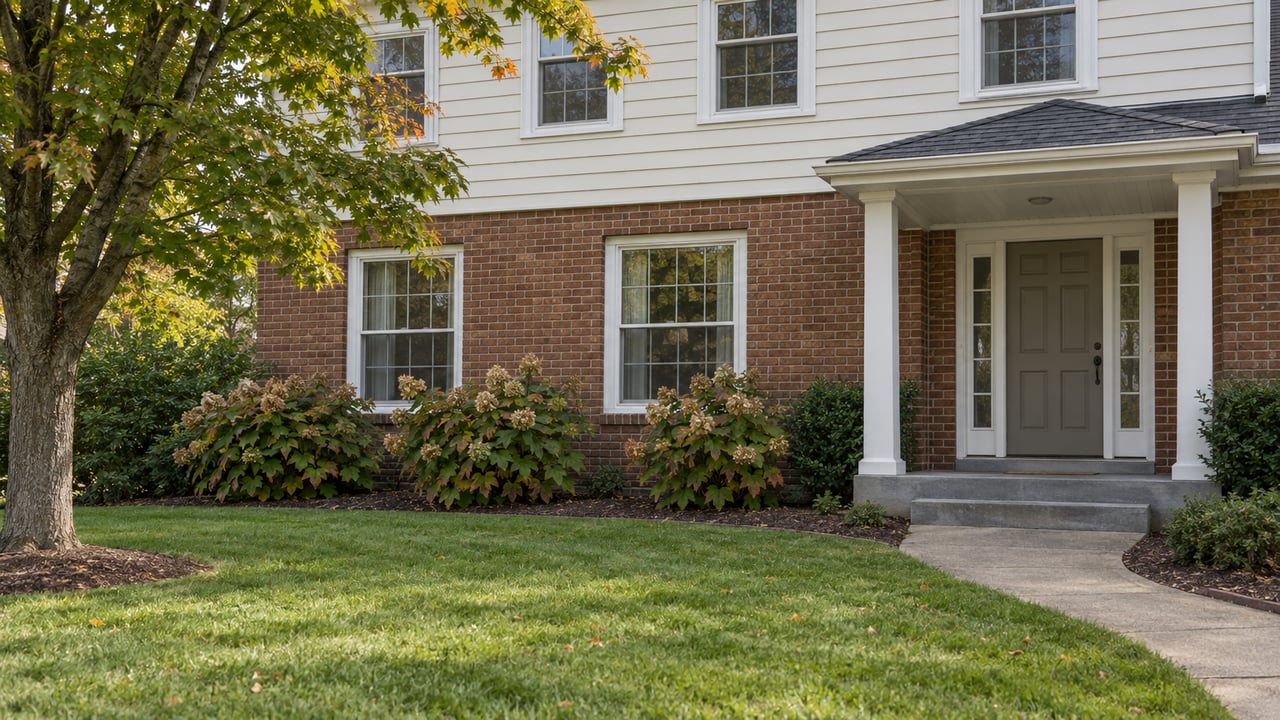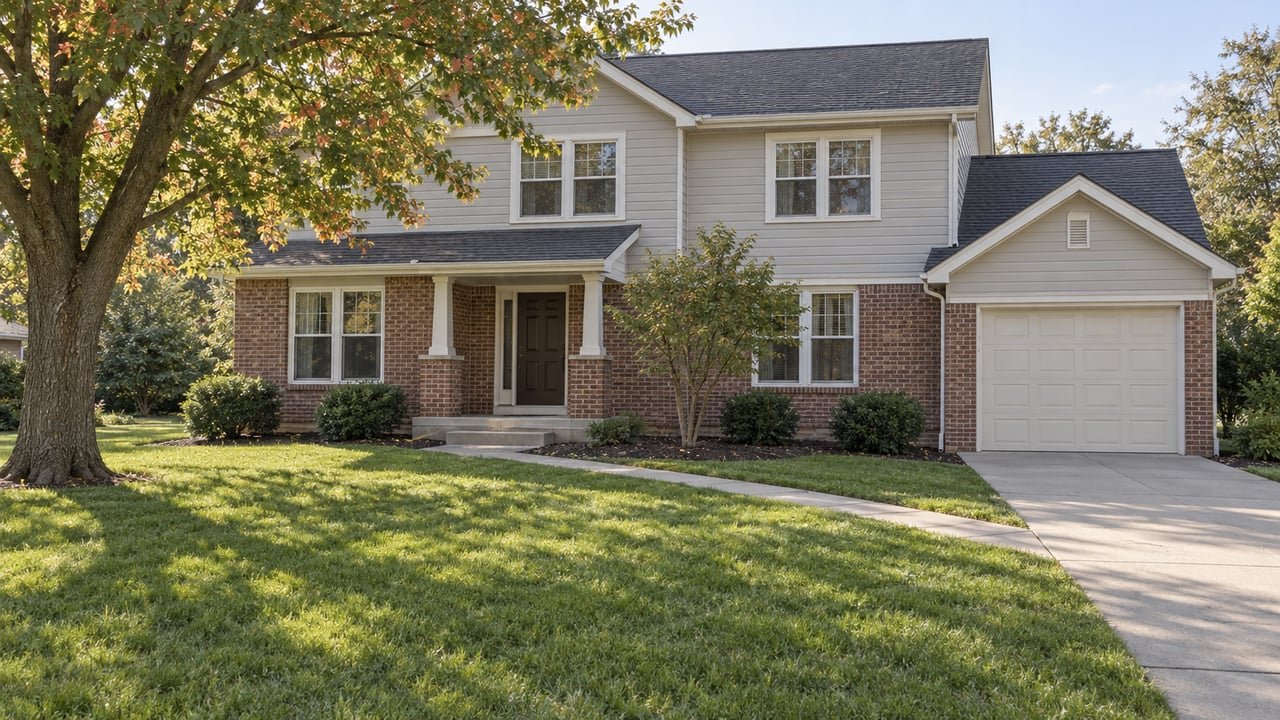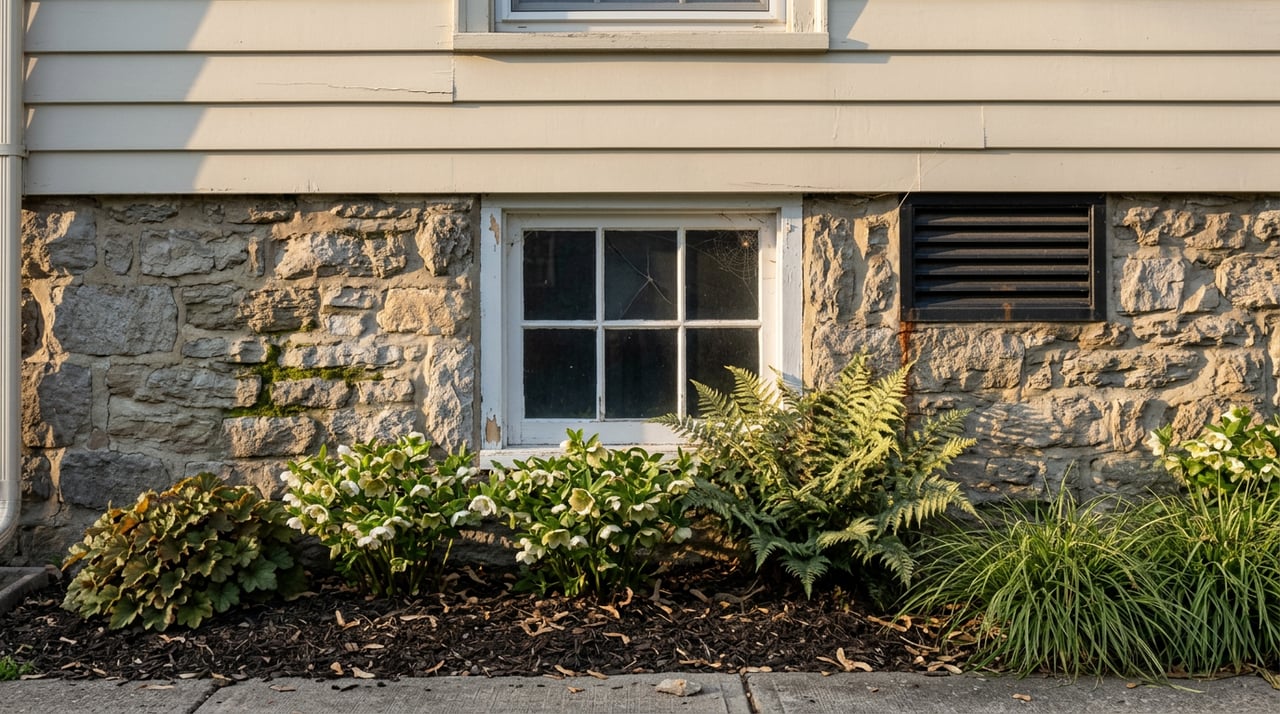
Picture one of the twins near downtown Emmaus, the kind with a narrow side yard and a basement that still smells faintly of a furnace that hasn't burned oil in forty years. The seller has never given the tank a second thought. It's not leaking. Nobody has complained. The house shows beautifully, the offer comes in fast, and everyone assumes the closing will be routine.
Then the buyer's lender orders the appraisal, the appraiser notices a capped pipe near the foundation, and the file stops moving. Nobody broke a law. Nobody did anything wrong. The tank just became the reason a thirty day closing turned into a sixty day closing, and the seller spends two weeks learning what should have been settled before the listing photos were taken.
That gap between what the law permits and what a transaction actually requires is the thing worth understanding before you list an older Emmaus home.
Why This Question Keeps Coming Up in Emmaus Specifically
Emmaus was incorporated as a Pennsylvania borough in 1859, the same year the railroad arrived and opened the town up to manufacturing beyond its original iron furnaces and foundry. The borough's own history notes that the first half of the twentieth century brought a series of annexations from Salisbury and Upper Milford Townships, which is when much of the residential building that defines the borough core today actually went up.
Homes built in that window were heated with oil, because that was the standard fuel before natural gas infrastructure reached most of the Lehigh Valley. When homeowners eventually converted to gas, the tank in the yard or under the basement floor didn't always leave with the furnace. Integra Inspections, a home inspection company based in Emmaus, puts it plainly on their own site: many older homes in the area still have buried oil tanks, whether the current owner knows it or not.
That's the mechanism. It isn't a quirky local ordinance. It's a building era. If your Emmaus home predates the gas conversion wave and nobody has documentation of a tank removal, there's a real chance something is still down there.
A few physical signs tend to give it away, even without excavation:
- A capped fill pipe or vent pipe poking up near the foundation
- Two small pipes emerging from the ground close together
- Abandoned copper fuel lines still sitting in the basement
- An old oil burner switch that no longer connects to anything
- A patched section of foundation wall where a line once ran through
- A circular depression in the yard where soil settled over a buried tank
None of these prove contamination. They just tell you it's worth asking the question before a buyer's team asks it for you.
What Pennsylvania Law Actually Says
Here's the part that surprises most sellers: Pennsylvania does not require you to remove an underground oil tank before selling your home. State and local regulation is built around environmental protection, not a blanket removal mandate, so a tank sitting quietly in the ground doesn't automatically make a sale illegal.
That fact is true, and it is also close to irrelevant to how the transaction actually plays out. Legality and financeability are not the same thing, and the second one is what determines whether your closing date holds.
Where the Real Leverage Sits: With the Lender, Not the Statute
Mortgage underwriting doesn't ask whether a tank is legal. It asks whether it's a risk to collateral value. Fannie Mae's own Selling Guide addresses this directly: when an appraiser becomes aware of a hazardous condition like an unknown oil tank, the appraiser has to identify it, note any effect on value or marketability, and make the appraisal subject to further inspection by a qualified professional before the loan can move forward.
That doesn't mean an automatic denial. Fannie Mae's guide does not treat every abandoned residential oil tank as a dealbreaker. But it does mean the file stalls at exactly the point sellers least want it to stall, days or weeks before a scheduled closing, while everyone waits on a specialist to weigh in. A seller who already has documentation in hand when that moment arrives is negotiating from a completely different position than one who's hearing about the tank for the first time from an appraiser's note.
The Math That Makes an Inspection Worth Doing Before You List
Here's the number that actually changes the decision: a residential oil tank inspection in Pennsylvania typically runs somewhere between $400 and $1,500 as of 2026. If a leak turns up and soil contamination has to be remediated, that cost jumps to a range of $15,000 to $75,000 or more.
That gap is the whole argument for checking early rather than waiting for a buyer to find it. According to UST Contractors, Pennsylvania also runs one of the strongest state reimbursement programs in the country for exactly this situation, the Underground Storage Tank Indemnification Fund, but eligibility depends on documented compliance: proper tank registration and a record of inspections. A tank nobody knew about, discovered mid-transaction, generally hasn't been registered or inspected, which means the safety net that could otherwise absorb a chunk of the cleanup cost may not apply.
Put differently, the inspection isn't just a due diligence step. It's what keeps the worse outcome from becoming your problem to pay for alone.
Who Emmaus Sellers Actually Call
If your home was built before the gas conversion era and you don't have paperwork on a tank removal, get it checked before the listing goes live, not after an offer is in hand. A few names worth knowing locally: Integra Inspections, based in Emmaus, doesn't perform tank testing in house but refers clients to ATS Environmental for that work when it turns up during a home inspection. CDA Inspection Services, headquartered on Green St in Emmaus, handles the broader home inspection work across the Lehigh Valley, from septic systems to lateral sewer lines. Allied Inspection Services, also based in Emmaus, has been serving buyers and sellers in the area since 1997 and lists oil tank inspection as one of its standard services.
Any of them can tell you, before a buyer's lender ever gets involved, whether this is a nonissue or something to plan around.
FAQ
Does Pennsylvania require me to remove a buried oil tank before selling my Emmaus home? No. State law does not mandate removal before a sale. The complication comes from lenders and appraisers, not from a statute.
How do I find out if my home has one if I have no memory of oil heat? Start by walking the foundation and yard for the signs above, capped pipes, a patched wall section, a depression in the lawn. If anything looks off, a licensed local inspector can confirm it without digging.
What happens if a tank is discovered during the buyer's inspection period? It typically triggers a request for further evaluation before the appraisal or loan can proceed, which can add real time to the closing schedule. Having your own inspection and documentation ready before that point gives you far more control over the timeline and the negotiation.
If you're preparing to list an older home in Emmaus and want to know what to check before it ever hits the market, Lori Bartkus has spent more than a decade helping Lehigh Valley sellers get ahead of exactly these kinds of surprises. Let's Connect before your listing photos go live, not after an underwriter finds something first.
This article is general information, not legal, tax or financial advice. Consult a qualified professional about your situation.